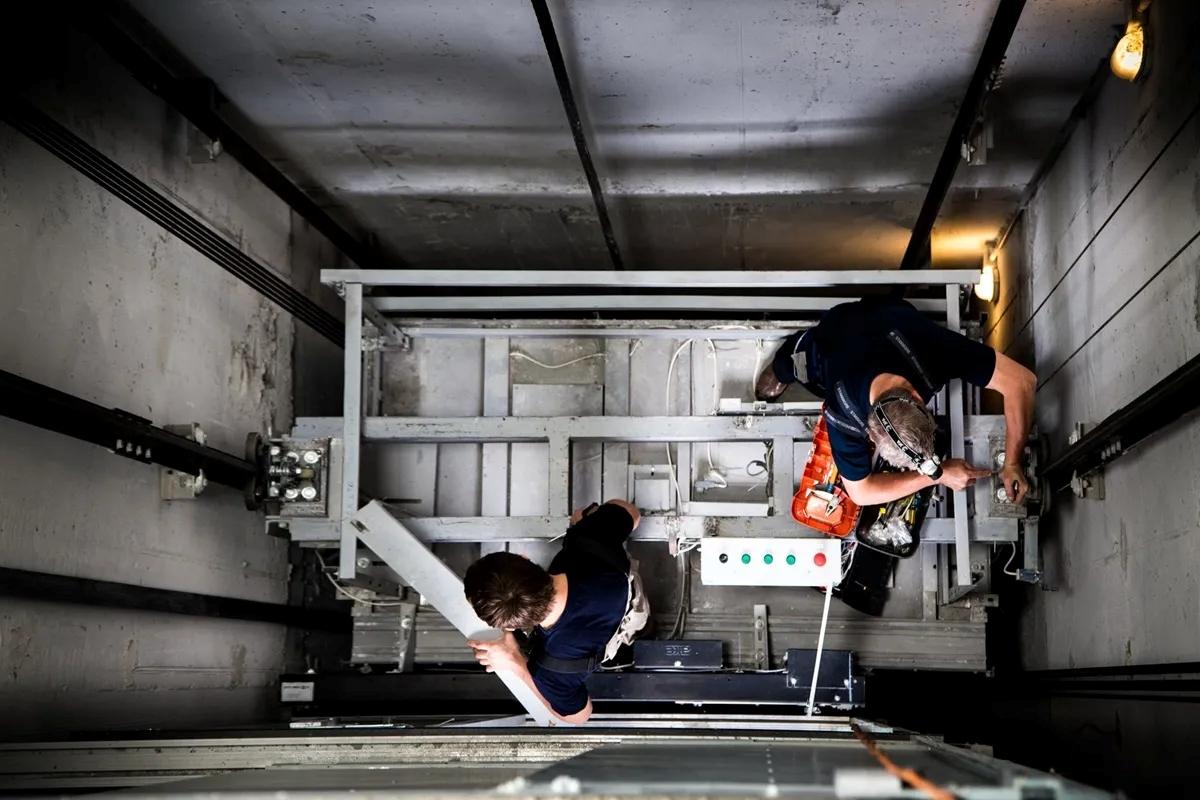
Safety Standards in Hydraulic Elevators
Hydraulic elevator systems are preferred in many projects because they can deliver strong lifting performance, controlled movement and practical installation options. When the subject is technical controls that define hydraulic elevator safety, the correct evaluation should include not only the equipment price, but also safety, maintenance access, usage intensity and long-term operating costs.
This article is prepared for building managers and maintenance teams. It explains the main technical points in plain language so that project owners and facility teams can make user safety sustainable. A hydraulic elevator is a complete system: power unit, cylinder, piston, valve group, controller, cabin, doors and safety components must work together in a balanced way.
Key Points to Consider
- Emergency stop and rescue systems should be checked.
- Door locks and safety circuits should be tested regularly.
- Hydraulic pressure limits should match technical values.
- Authorized service and recorded maintenance support compliance.
In a well-planned hydraulic elevator project, site assessment comes before every technical decision. Shaft dimensions, travel distance, expected load, traffic frequency and service access should be reviewed together. This prevents unsuitable equipment selection and helps the system work reliably after commissioning.
Maintenance is another critical part of the process. Oil condition, pressure values, seals, hoses, guide components, door locks and safety circuits should be checked at regular intervals. These checks reduce unexpected downtime and help small symptoms be solved before they turn into costly repairs.
Netlift Hydraulic Elevator Systems approaches each project with this technical perspective. The objective is to create hydraulic elevator solutions that are safe, serviceable, efficient and compatible with real field conditions. With the right planning and regular service, hydraulic elevator systems can provide comfortable and dependable use for many years.